onoae

Gastec 380 Fumigation Probe

Gastec 380 Fumigation Probe

Product Note:

No product notes available.

Categories: , Tags: , ,

Description

Gastec 380 Fumigation Probe

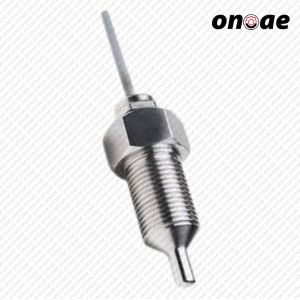
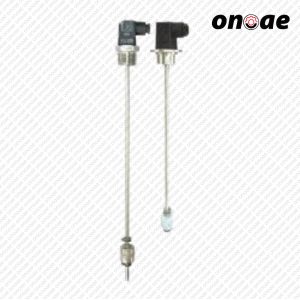
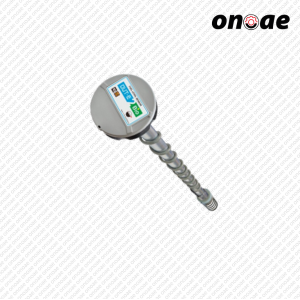
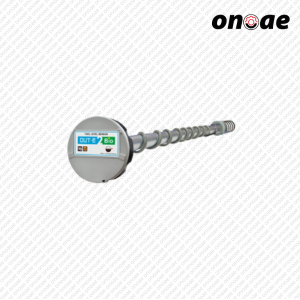
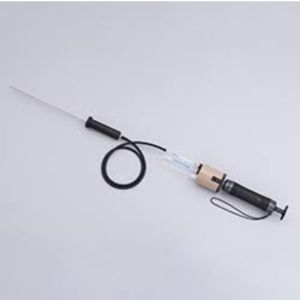
Gastec 380 Fumigation Probe is connected to the Gas Detector Tube and inserted through the rubber seal of the closed container to measure residual fumigants. Currently, applicable tubes are limited.

Gastec 380 Fumigation Probe is a specialized sampling accessory engineered specifically for measuring residual toxic fumigants inside sealed shipping containers, freight holds, and agricultural storage enclosures.

Instead of opening container doors and exposing workers to high concentrations of trapped gases, the Model 380 probe is inserted directly through the flexible rubber door seals (gaskets) of a closed container to draw a representative air sample.

Specifications

ParameterSpecification
Model NumberGastec 380
Probe Shaft Length44 cm (approx 17.3 in)
Flexible Hose Length100 cm (1.0 m)
Total WeightApprox. 240g (0.53lbs)
Primary MaterialCorrosion-resistant metallic shaft with chemical-resistant flexible hose
Compatible Sampling PumpsGastec GV-100 / GV-110 series piston pumps

Features

  • High-Temperature Cooling (345A Probe): Dissipates heat up to 600°C passively via finned metal bodies to protect glass detector tubes.

  • Remote Access & Safety (350BP-2 & 351A): Lightweight telescoping poles (up to 2.8 m) and flexible hoses (up to 30 m) enable pre-entry testing of overhead ducts, tanks, and confined spaces.

  • Specialized Extraction (331, 332 & 380): Chemical gas-evolution kits convert liquid/soil contaminants into gaseous Arsine or Mercury vapor, while fumigation probes pierce container door gaskets for zero-exposure sampling.

Applications

  • Shipping Container Clearance: Testing imported sea containers at customs hubs and ports prior to unloading goods.

  • Agricultural Storage Inspection: Monitoring grain silos, timber stacks, and tobacco warehouses after chemical treatment cycles.

  • Quarantine & Border Protection: Screening international freight for compliance with agricultural quarantine standards.

Related Products

Gastec 380 Fumigation Probe

The GASTEC Fumigation Probe is connected to the Gas Detector Tube and inserted through the rubber seal of the closed container to measure residual fumigants.

Product Note:

No product notes available.

Categories: , Tags: , ,

Loading...

Description

Gastec 380 Fumigation Probe

Gastec 380 Fumigation Probe is connected to the Gas Detector Tube and inserted through the rubber seal of the closed container to measure residual fumigants. Currently, applicable tubes are limited.

Gastec 380 Fumigation Probe is a specialized sampling accessory engineered specifically for measuring residual toxic fumigants inside sealed shipping containers, freight holds, and agricultural storage enclosures.

Instead of opening container doors and exposing workers to high concentrations of trapped gases, the Model 380 probe is inserted directly through the flexible rubber door seals (gaskets) of a closed container to draw a representative air sample.
Specifications

ParameterSpecification
Model NumberGastec 380
Probe Shaft Length44 cm (approx 17.3 in)
Flexible Hose Length100 cm (1.0 m)
Total WeightApprox. 240g (0.53lbs)
Primary MaterialCorrosion-resistant metallic shaft with chemical-resistant flexible hose
Compatible Sampling PumpsGastec GV-100 / GV-110 series piston pumps

Features

  • High-Temperature Cooling (345A Probe): Dissipates heat up to 600°C passively via finned metal bodies to protect glass detector tubes.

  • Remote Access & Safety (350BP-2 & 351A): Lightweight telescoping poles (up to 2.8 m) and flexible hoses (up to 30 m) enable pre-entry testing of overhead ducts, tanks, and confined spaces.

  • Specialized Extraction (331, 332 & 380): Chemical gas-evolution kits convert liquid/soil contaminants into gaseous Arsine or Mercury vapor, while fumigation probes pierce container door gaskets for zero-exposure sampling.

Applications

  • Shipping Container Clearance: Testing imported sea containers at customs hubs and ports prior to unloading goods.

  • Agricultural Storage Inspection: Monitoring grain silos, timber stacks, and tobacco warehouses after chemical treatment cycles.

  • Quarantine & Border Protection: Screening international freight for compliance with agricultural quarantine standards.