onoae

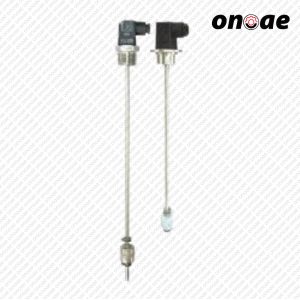
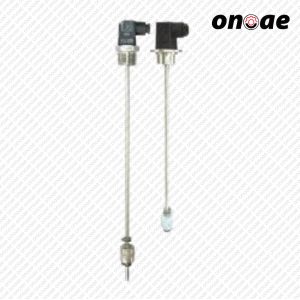
Best Technoton DUT-E 2Bio Differential Fuel Level Sensors

Technoton DUT-E 2Bio Differential Fuel Level Sensors

Product Note:

No product notes available.

Description

Technoton DUT-E 2Bio Differential Fuel Level Sensors

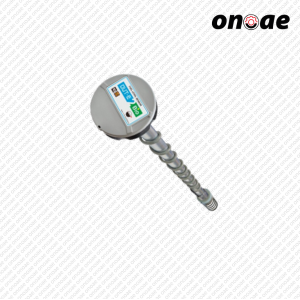
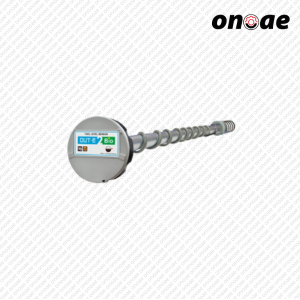
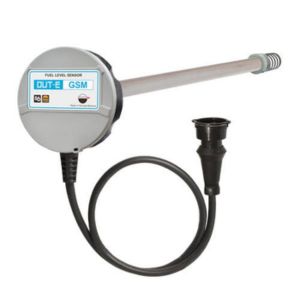
Technoton DUT-E 2Bio Differential Fuel Level Sensors Various fuel types (summer diesel, winter diesel and especially biodiesel) have different permittivity values. That explains the difference in fuel volume measurement when capacitive fuel sensors are used. For taking that differences in account, DUT-E 2Bio differential fuel level sensors is made.

DUT-E 2Bio has three measuring electrodes, what allows sensor to detect various fuel types automatically. Advantages of DUT-E 2Bio differential fuel level sensor:

  • automatically detects changes in fuel composition by predefined pattern
  • makes automatic correction and measure fuel volume precisely
  • detects tank fill-up and fuel draining volumes
  • identifies composition of fuel and indirectly evaluates fuel quality
  • NEW! Automatic recognition of fuel type in a fuel tank, where the sensor is installed.

DUT-E 2Bio has three measuring electrodes, what allows sensor to detect various fuel types automatically. Advantages of DUT-E 2Bio differential fuel level sensor: automatically detects changes in fuel composition by predefined pattern. makes automatic correction and measure fuel volume precisely.

Core Operational Functions

  • 3-Electrode Dielectric Auto-Correction: The integrated third reference electrode continuously detects variations in the fuel’s permittivity coefficient. It instantly adjusts the output calculations to reflect true fuel volume regardless of fuel composition or quality.

  • Fuel Type Switch & Quality Detection: Detects when a tank has been refilled with a different fuel grade or adulterated fluid. This helps identify fuel substitution, unauthorized fuel draining, or low-quality fuel additions.

  • On-Head Edge Computing (IoT Burger): Onboard digital processing handles temperature compensation, signal linearization, digital filtering (0–300 sec smoothing to prevent sloshing errors), and self-diagnostics before transmitting clean data to telematics platforms.

Specifications

ParameterSpecification
Measuring PrincipleDifferential Capacitive (3 electrodes)
Measurement Inaccuracy1.0% of total tank volume
Sensitivity0.1mm fuel level resolution
Standard Probe Lengths700mm, 1000mm (Cuttable by 30-50% or extendable up to 6000mm)
Supply Voltage10 V Dc (protected up to 100V)
Operating Temperature-40°C to +85°C
Output InterfacesCAN (J1939/S6), RS-232, RS-485 (Modbus/LLS), Analog (Voltage/Current), Frequency, Bluetooth (S7 Wireless)
Protection & RatingIP68 sensor head; optional IECEx explosion-proof certification

Features

  • Automatic Fuel Adaptation: The additional third reference electrode continuously measures the dielectric permittivity of the fuel. It automatically compensates the level measurement when switching between standard diesel, winter diesel, biodiesel blends, or fuels with high water/impurity content without requiring manual tank recalibration.

  • Fuel Quality & Change Monitoring: Real-time permittivity tracking detects when a different fuel grade is added or when high-grade fuel has been siphoned and substituted with cheaper liquids or low-grade oils.

Applications

  • Biodiesel & Mixed-Fuel Fleets: Long-haul trucks, buses, and locomotives that refuel across different countries or use varying blends of biodiesel (B5, B20, B100).

  • Fuel Tankers & Distribution Trucks: Tanker trucks transporting diverse liquid fuels that need exact volume tracking on every delivery run.

  • Fuel Theft & Substitution Prevention: Detecting instances where high-grade fuel is siphoned out and replaced with cheaper oil, water, or lower-grade fuel.

Related Products

Best Technoton DUT-E 2Bio Differential Fuel Level Sensors

Technoton DUT-E 2Bio Differential Fuel Level Sensors Various fuel types (summer diesel, winter diesel and especially biodiesel) have different permittivity values. That explains the difference in fuel volume measurement when capacitive fuel sensors are used.

Product Note:

No product notes available.

Loading...

Description

Technoton DUT-E 2Bio Differential Fuel Level Sensors

Technoton DUT-E 2Bio Differential Fuel Level Sensors Various fuel types (summer diesel, winter diesel and especially biodiesel) have different permittivity values. That explains the difference in fuel volume measurement when capacitive fuel sensors are used. For taking that differences in account, DUT-E 2Bio differential fuel level sensors is made.

DUT-E 2Bio has three measuring electrodes, what allows sensor to detect various fuel types automatically. Advantages of DUT-E 2Bio differential fuel level sensor:

  • automatically detects changes in fuel composition by predefined pattern
  • makes automatic correction and measure fuel volume precisely
  • detects tank fill-up and fuel draining volumes
  • identifies composition of fuel and indirectly evaluates fuel quality
  • NEW! Automatic recognition of fuel type in a fuel tank, where the sensor is installed.

DUT-E 2Bio has three measuring electrodes, what allows sensor to detect various fuel types automatically. Advantages of DUT-E 2Bio differential fuel level sensor: automatically detects changes in fuel composition by predefined pattern. makes automatic correction and measure fuel volume precisely.

Core Operational Functions

  • 3-Electrode Dielectric Auto-Correction: The integrated third reference electrode continuously detects variations in the fuel’s permittivity coefficient. It instantly adjusts the output calculations to reflect true fuel volume regardless of fuel composition or quality.

  • Fuel Type Switch & Quality Detection: Detects when a tank has been refilled with a different fuel grade or adulterated fluid. This helps identify fuel substitution, unauthorized fuel draining, or low-quality fuel additions.

  • On-Head Edge Computing (IoT Burger): Onboard digital processing handles temperature compensation, signal linearization, digital filtering (0–300 sec smoothing to prevent sloshing errors), and self-diagnostics before transmitting clean data to telematics platforms.
Specifications

ParameterSpecification
Measuring PrincipleDifferential Capacitive (3 electrodes)
Measurement Inaccuracy1.0% of total tank volume
Sensitivity0.1mm fuel level resolution
Standard Probe Lengths700mm, 1000mm (Cuttable by 30-50% or extendable up to 6000mm)
Supply Voltage10 V Dc (protected up to 100V)
Operating Temperature-40°C to +85°C
Output InterfacesCAN (J1939/S6), RS-232, RS-485 (Modbus/LLS), Analog (Voltage/Current), Frequency, Bluetooth (S7 Wireless)
Protection & RatingIP68 sensor head; optional IECEx explosion-proof certification

Features

  • Automatic Fuel Adaptation: The additional third reference electrode continuously measures the dielectric permittivity of the fuel. It automatically compensates the level measurement when switching between standard diesel, winter diesel, biodiesel blends, or fuels with high water/impurity content without requiring manual tank recalibration.

  • Fuel Quality & Change Monitoring: Real-time permittivity tracking detects when a different fuel grade is added or when high-grade fuel has been siphoned and substituted with cheaper liquids or low-grade oils.
Applications

  • Biodiesel & Mixed-Fuel Fleets: Long-haul trucks, buses, and locomotives that refuel across different countries or use varying blends of biodiesel (B5, B20, B100).
  • Fuel Tankers & Distribution Trucks: Tanker trucks transporting diverse liquid fuels that need exact volume tracking on every delivery run.

  • Fuel Theft & Substitution Prevention: Detecting instances where high-grade fuel is siphoned out and replaced with cheaper oil, water, or lower-grade fuel.