Description
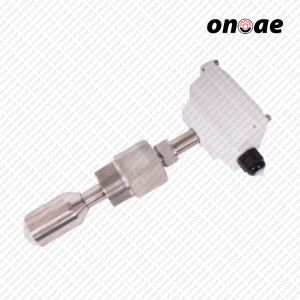
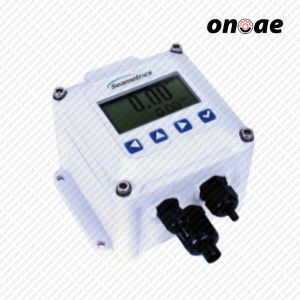
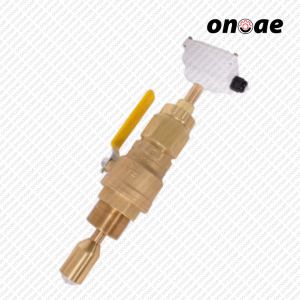
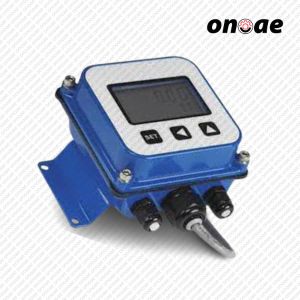
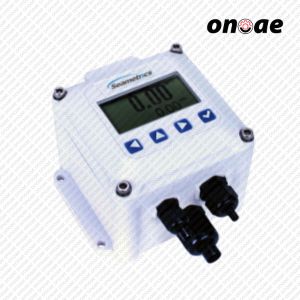
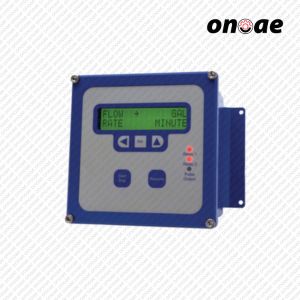
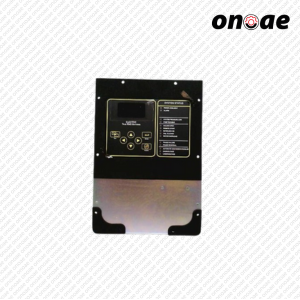
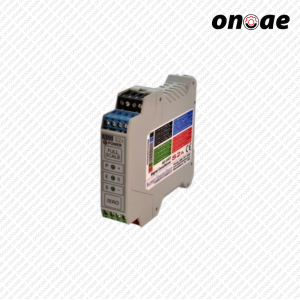
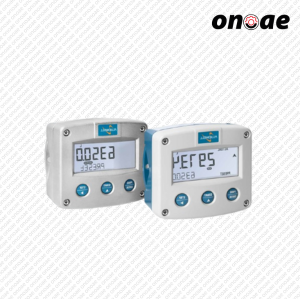
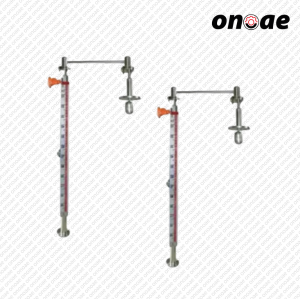
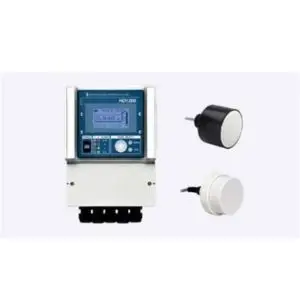
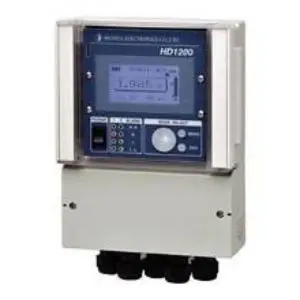
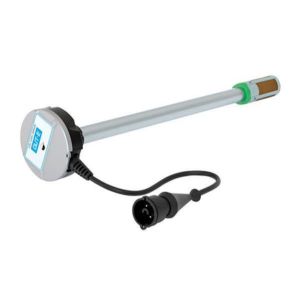
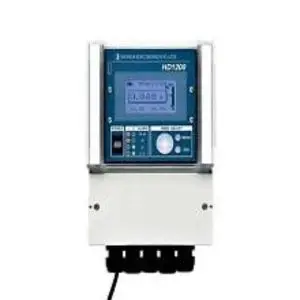
Honda HD1200 Ultrasonic Level Meter
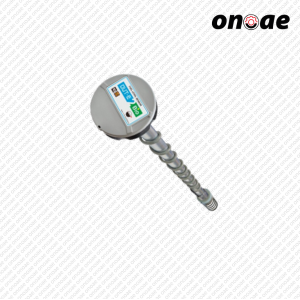
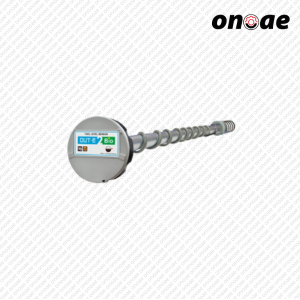
Honda HD1200 Ultrasonic Level Meter transmitted from the sensor is reflected back from the measured object, and the distance is calculated based on the echo return time. This makes it possible to perform operations such as measuring the liquid level inside a tank or monitoring the remaining amount of materials in a tank.
Honda HD1200 Ultrasonic Level Meter is a high-precision, non-contact liquid level measuring system designed for continuous level monitoring in water treatment tanks, industrial sumps, chemical storage, and open channels. Manufactured by Honda Electronics Co., Ltd., the Honda HD1200 Ultrasonic Level Meter utilizes advanced acoustic signal processing to measure liquid height without direct contact with the process fluid. Featuring automatic temperature compensation, robust anti-noise filtering, clear digital indication, and standard 4–20mA analog output, it provides reliable, low-maintenance level telemetry for industrial and municipal plants.
Honda HD1200 Ultrasonic Level Meter Calculation
Distance = Speed of sound × Time
The distance to the measured surface is calculated based on the speed of sound and the time elapsed between the transmission of the signal and the return of the echo. The distance to the bottom of the tank is set in advance so that the amount of liquid remaining in the tank can be calculated.
Technical Overview & Operation
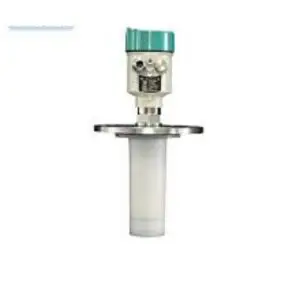
The Honda HD1200 Ultrasonic Level Meter operates on the acoustic time-of-flight (ToF) principle. A sensor transducer mounted at the top of a storage tank or open basin transmits high-frequency ultrasonic sound pulses directed downward toward the liquid surface.
When the acoustic pulse contacts the liquid surface, it reflects back to the transducer face. The transmitter’s internal microprocessor measures the precise round-trip elapsed time ($\Delta t$) and calculates the exact distance to the liquid surface using the acoustic wave velocity ($v$). Integrated temperature sensors continuously adjust speed-of-sound calculations to compensate for air temperature variations within the vessel headspace. Advanced echo-filtering algorithms filter out false reflections caused by internal tank agitation, structural supports, or surface ripples. Technical datasheets and sensor mounting guides are accessible through Honda Electronics documentation channels.