Description
Nitto Kasei EPOXY RESIN for Many Field
Nitto Kasei EPOXY RESIN for Many Field is a multi-purpose, high-performance thermosetting resin compound engineered for electrical potting, structural bonding, surface coating, and protective sealing across diverse industrial sectors. Manufactured by Nitto Kasei Kogyo Co., Ltd., this epoxy resin system exhibits exceptional mechanical strength, high dielectric insulation, chemical resistance, and minimal volumetric shrinkage during cure. Designed to withstand harsh environmental conditions, thermal cycling, and mechanical vibration, it provides long-term protection for electronic components, structural joints, and industrial machinery assemblies.
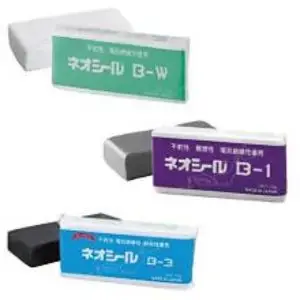
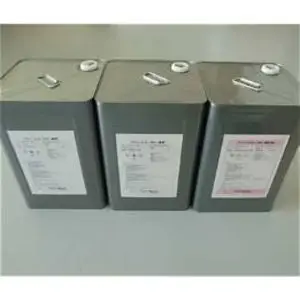
Nitto Kasei EPOXY RESIN PLASEAL E-189 advantaged with great adherence properties, adhesion strength, durability, and solvent resistance, our epoxy adhesives are applicable for multi-purposes.
How to Use:
- Take out the same amount of base and hardening agent you need with some gloves.
- Take appropriate amount of base and hardening agent, and twist them to mix smoothly.
- Mix them so will until the appearance will uniformly turn to gray color.
- Apply to the places you would like to fix or repair, and don’t touch and move it until it finishes hardening.
*Please do not work under the condition below 5°C.
Wear some gloves and a mask when you apply.
Technical Overview & Operation
Nitto Kasei EPOXY RESIN for Many Field is a liquid or paste-form thermosetting polymer system that undergoes cross-linking polymerization upon mixing with its corresponding curing agent or hardener.
Once fully cured, the epoxy compound forms a dense, highly durable three-dimensional molecular matrix. This matrix provides superior moisture exclusion, high volume resistivity, and strong physical adhesion to a wide array of substrates including metals, ceramics, glass, concrete, and thermoset plastics. Its low viscosity formulation options allow deep penetration into intricate electrical windings, narrow structural gaps, and electronic potting cavities, securing components against atmospheric degradation and physical shock.