Description
CS Instruments VA 500 – Flow Meter For Compressed Air And Gas
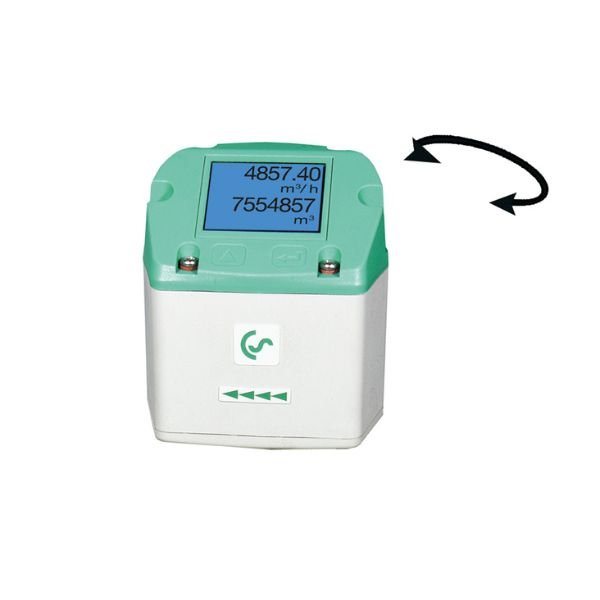
CS Instruments VA 500 it is possible to monitor your consumption and analyze your leakage flows with just one measuring device. Due to its design, it is also ideal for mobile measurements. Recording and reducing energy costs and CO2 emissions while increasing the sustainability of any compressed air system.
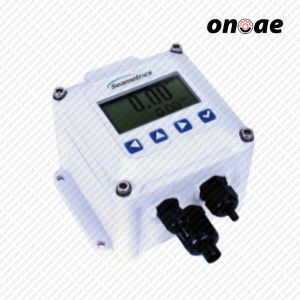
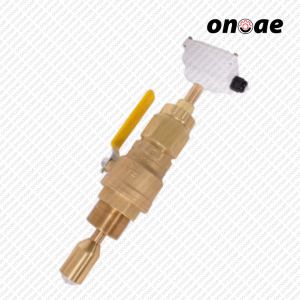
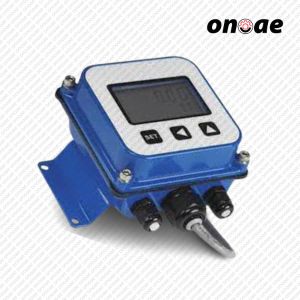
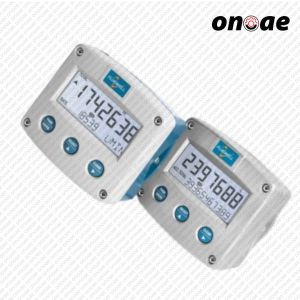
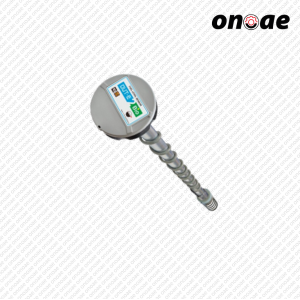
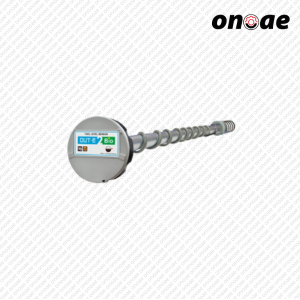
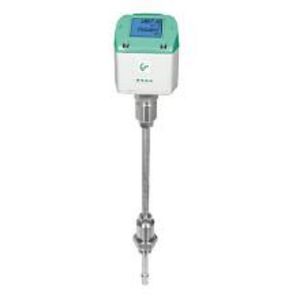
CS Instruments VA 500 – Flow Meter For Compressed Air And Gas is a high-precision insertion-type thermal mass flow sensor designed for continuous consumption measurement, leak detection, and mass flow tracking in compressed air and technical gas systems. Manufactured by CS Instruments GmbH, the VA 500 features an integrated display, robust aluminum housing, and a safety ball valve insertion mechanism that enables hot-tap installation under full operating line pressure. Delivering accurate volumetric flow, total consumption, and fluid temperature readings without extra pressure or temperature compensation sensors, it is an essential diagnostic tool for energy management (ISO 50001) in modern industrial facilities.
CS Instruments VA 500 Advantages
- Measurement of mass flow direct output of standard volume flow
- Highly accurate at small as well as higher flow rates
- Pressure and temperature are compensated by the thermal mass flow principle
- Quick and easy installation via a ½” ball valve
- No moving parts, thus low maintenance
- Vanishingly low-pressure drop due to vanishingly low blockage of the diameter
- Can be used for compressed air and non-corrosive gases such as nitrogen, oxygen, argon, helium, etc.
Technical Overview & Operation
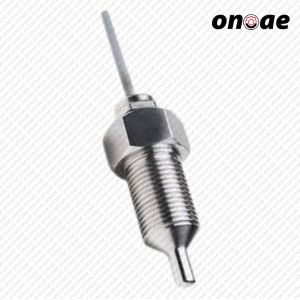
The CS Instruments VA 500 – Flow Meter For Compressed Air And Gas operates on the calorimetric thermal mass measurement principle. The sensor tip consists of two platinum Resistance Temperature Detectors (Pt100): one heated sensor and one unheated reference sensor.
As compressed air or gas flows past the sensor tip, it carries heat away from the heated sensor element. The electrical energy required to maintain a constant temperature differential between the two sensors is directly proportional to the standard mass flow rate