onoae

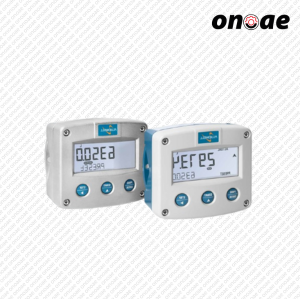
Best Gastec G Oxygen Sensor

Gastec G Oxygen Sensor

Product Note:

No product notes available.

Categories: , Tags: , ,

Description

Gastec G Oxygen Sensor

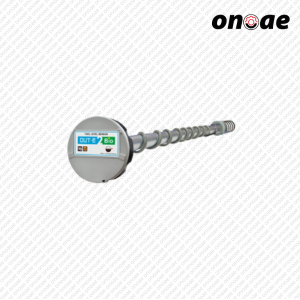
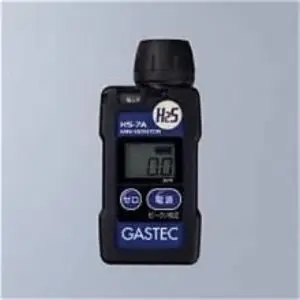
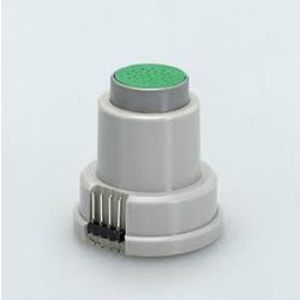
Gastec G Oxygen Sensor Galvanic cell sensor indicates concentrations directly calibrated scale printed on the tubes ?36 x 38 21g : GOH-1A / GOC-1A

GASTEC is engaged in research and development of world-leading catalyst technology and power collection technology, and has realized a variety of highly sensitive, miniature sensors. These sensors detect the concentration of oxygen concerning which even a minute percentage change can affect the human body. They can also detect colorless and odorless toxic gases which cannot be detected by the five senses, and flammable gases which can bring about an explosion or other disaster. In this way, we promote the ability to visualize danger.

Fresh air contains 21% oxygen. Lower concentrations can cause unconsciousness and may even become life threatening. Since oxygen is colourless and odorless, human senses cannot detect changes in concentration levels. GASTEC’s oxygen detectors can quickly and accurately measure oxygen concentrations at a variety of different work sites subject to a host of complicated and varying factors. All models are of compact design and come with a high performance galvanic cell sensor.

Core Operating Principle

  1. Galvanic Cell Reaction: Oxygen diffuses through a polymer membrane into an electrolyte solution, reacting at a lead anode and gold/platinum cathode.

  2. Current Generation: The internal chemical oxidation-reduction reaction generates a micro-ampere electrical current directly proportional to the partial pressure of oxygen in the surrounding sample air.

  3. Power-Free Sensing: Unlike NDIR or catalytic sensors, galvanic cells generate their own electrical current output, requiring no external bias voltage or warm-up power to operate.

Specifications

ParameterSpecification
ManufacturerGastec Corporation
Sensor TypeElectrochemical Galvanic Cell
Target GasOxygen (O2)
Measurement Range0.0 to 25.0 O2 by volume
Response Time (T90)< 15 seconds
Accuracy0.5 O2 volume
Operating Temperature-10°C to +40°C (14°F to 104°F)
Compatible EquipmentGastec portable oxygen monitors, multi-gas monitors, and sampling equipment

Features

  • Instantaneous Response: Rapid diffusion membrane provides immediate detection of oxygen displacement, alerting workers instantly to hypoxic or oxygen-deficient atmospheres (< 19.5 O2).

  • Linear Output Signal: Produces a straight-line electrical output across the full 0-25% scale, simplifying zero and span calibrations.

  • Low Maintenance: Built as a sealed plug-and-play module that requires periodic span calibration using fresh ambient air (20.9 O2).

Applications

  • Confined Space Pre-Entry Screening: Checking oxygen levels in manholes, storage tanks, pipelines, and underground vaults prior to worker entry.

  • Occupational Health & Safety: Monitoring for oxygen deficiency in nitrogen/argon-purged industrial rooms or oxygen enrichment hazards in medical and welding environments.

  • Flue & Process Gas Testing: Tracking residual oxygen levels in industrial combustion processes and gas lines.

Related Products

Best Gastec G Oxygen Sensor

Gastec G Oxygen Sensor Galvanic cell sensor indicates concentrations directly calibrated scale printed on the tubes ?36 x 38 21g : GOH-1A / GOC-1A

Product Note:

No product notes available.

Categories: , Tags: , ,

Loading...

Description

Gastec G Oxygen Sensor

Gastec G Oxygen Sensor Galvanic cell sensor indicates concentrations directly calibrated scale printed on the tubes ?36 x 38 21g : GOH-1A / GOC-1A

GASTEC is engaged in research and development of world-leading catalyst technology and power collection technology, and has realized a variety of highly sensitive, miniature sensors. These sensors detect the concentration of oxygen concerning which even a minute percentage change can affect the human body. They can also detect colorless and odorless toxic gases which cannot be detected by the five senses, and flammable gases which can bring about an explosion or other disaster. In this way, we promote the ability to visualize danger.

Fresh air contains 21% oxygen. Lower concentrations can cause unconsciousness and may even become life threatening. Since oxygen is colourless and odorless, human senses cannot detect changes in concentration levels. GASTEC’s oxygen detectors can quickly and accurately measure oxygen concentrations at a variety of different work sites subject to a host of complicated and varying factors. All models are of compact design and come with a high performance galvanic cell sensor.

Core Operating Principle

  1. Galvanic Cell Reaction: Oxygen diffuses through a polymer membrane into an electrolyte solution, reacting at a lead anode and gold/platinum cathode.

  2. Current Generation: The internal chemical oxidation-reduction reaction generates a micro-ampere electrical current directly proportional to the partial pressure of oxygen in the surrounding sample air.

  3. Power-Free Sensing: Unlike NDIR or catalytic sensors, galvanic cells generate their own electrical current output, requiring no external bias voltage or warm-up power to operate.
Specifications

ParameterSpecification
ManufacturerGastec Corporation
Sensor TypeElectrochemical Galvanic Cell
Target GasOxygen (O2)
Measurement Range0.0 to 25.0 O2 by volume
Response Time (T90)< 15 seconds
Accuracy0.5 O2 volume
Operating Temperature-10°C to +40°C (14°F to 104°F)
Compatible EquipmentGastec portable oxygen monitors, multi-gas monitors, and sampling equipment

Features

  • Instantaneous Response: Rapid diffusion membrane provides immediate detection of oxygen displacement, alerting workers instantly to hypoxic or oxygen-deficient atmospheres (< 19.5 O2).
  • Linear Output Signal: Produces a straight-line electrical output across the full 0-25% scale, simplifying zero and span calibrations.

  • Low Maintenance: Built as a sealed plug-and-play module that requires periodic span calibration using fresh ambient air (20.9 O2).

Applications

  • Confined Space Pre-Entry Screening: Checking oxygen levels in manholes, storage tanks, pipelines, and underground vaults prior to worker entry.

  • Occupational Health & Safety: Monitoring for oxygen deficiency in nitrogen/argon-purged industrial rooms or oxygen enrichment hazards in medical and welding environments.

  • Flue & Process Gas Testing: Tracking residual oxygen levels in industrial combustion processes and gas lines.